
Sade Sati: Meaning, 3 Phases, Effects & Remedies
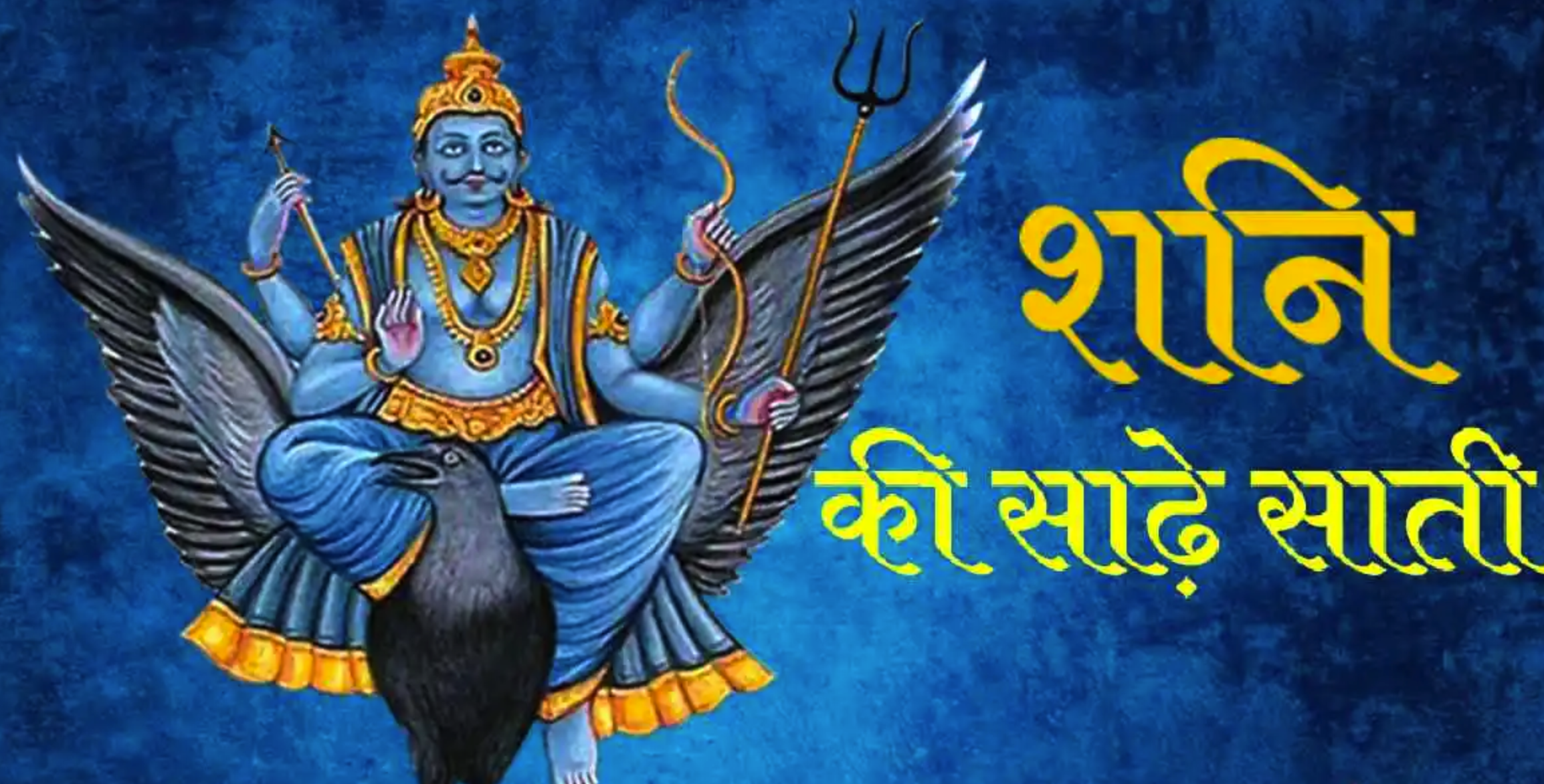
Sade Sati: Meaning, 3 Phases, Effects and Traditional Remedies
Sade Sati is one of the most discussed concepts in Vedic astrology. Learn what Sade Sati means, why Saturn is associated with this period, how its three phases are traditionally interpreted, and what remedies are commonly followed.
Table of Contents
- What Is Sade Sati?
- Why Is It Called Sade Sati?
- Saturn's Role in Sade Sati
- What Are the Three Phases of Sade Sati?
- First Phase of Sade Sati
- Second Phase of Sade Sati
- Third Phase of Sade Sati
- Effects of Sade Sati
- Is Sade Sati Always Bad?
- Why Your Birth Chart Matters
- Traditional Sade Sati Remedies
- Common Misconceptions
- Frequently Asked Questions
Sade Sati is one of the most well-known concepts in Vedic astrology. It is traditionally associated with the transit of Saturn, also known as Shani, through the zodiac signs surrounding a person's natal Moon sign.
The term Sade Sati refers to a period of approximately seven and a half years. Traditionally, this period is divided into three phases, with each phase lasting approximately two and a half years.
Sade Sati is often discussed in connection with responsibility, discipline, patience, long-term decisions, maturity and important life changes. However, traditional Jyotish does not interpret Sade Sati in exactly the same way for every person.
What Is Sade Sati?
In Vedic astrology, Sade Sati refers to Saturn's transit through three consecutive zodiac signs in relation to the natal Moon sign.
These three signs are:
- The zodiac sign immediately before the natal Moon sign.
- The zodiac sign containing the natal Moon.
- The zodiac sign immediately after the natal Moon sign.
Saturn generally takes approximately two and a half years to move through one zodiac sign. Therefore, its movement through these three signs is traditionally associated with a period of approximately seven and a half years.
One important point is that Sade Sati is traditionally calculated from the Moon sign, rather than simply from the Sun sign commonly used in general horoscope columns.
Example of Sade Sati Calculation
Suppose a person's natal Moon is placed in Taurus. Traditionally, Sade Sati would be associated with Saturn's movement through:
- Aries – First Phase
- Taurus – Second Phase
- Gemini – Third Phase
This is a simplified example. A personalized interpretation requires the person's complete Kundli and other planetary positions.
Why Is It Called Sade Sati?
The term Sade Sati is commonly understood as referring to "seven and a half." The name comes from the traditional calculation of Saturn spending approximately two and a half years in each of three zodiac signs.
The exact dates of Sade Sati can vary because Saturn's apparent movement includes periods of retrograde motion. Therefore, determining someone's exact Sade Sati period requires checking Saturn's actual transit against the natal Moon sign.
Saturn's Role in Sade Sati
In traditional Vedic astrology, Saturn is associated with discipline, responsibility, patience, persistence, structure, hard work and long-term results.
Saturn is sometimes portrayed only as a difficult planet. However, traditional Jyotish also associates Saturn with maturity, endurance, practical wisdom and results gained through sustained effort.
Because of these associations, Sade Sati is often interpreted as a time when a person may need to become more disciplined, patient and responsible about important areas of life.
This is why describing Sade Sati simply as a "bad period" does not capture the full traditional interpretation.
What Are the Three Phases of Sade Sati?
Sade Sati is traditionally divided into three phases. Each phase corresponds to Saturn's movement through a different zodiac sign relative to the natal Moon.
First Phase
Saturn moves through the zodiac sign immediately before the natal Moon sign.
Second Phase
Saturn moves through the same zodiac sign as the natal Moon.
Third Phase
Saturn moves through the zodiac sign immediately after the natal Moon sign.
First Phase of Sade Sati
The first phase begins when Saturn enters the zodiac sign immediately before the person's natal Moon sign.
Traditional interpretations may associate this phase with changes in responsibilities, financial planning, family matters, career decisions and long-term goals.
The experience can vary significantly from person to person. The position of Saturn in the natal chart, its relationship with other planets and the running Dasha can all be considered in a detailed Jyotish interpretation.
Second Phase of Sade Sati
The second phase occurs when Saturn transits the same zodiac sign as the natal Moon.
This phase receives significant attention in traditional astrology because Saturn is moving directly through the Moon sign used for the Sade Sati calculation.
Traditional interpretations may discuss themes involving emotional responsibility, work pressure, relationships, routines, financial planning and changes in personal priorities.
These themes should not be treated as guaranteed events. A detailed interpretation depends on the complete birth chart rather than one planetary transit.
Third Phase of Sade Sati
The third phase begins when Saturn moves into the zodiac sign immediately after the natal Moon sign.
Traditional interpretations often associate this stage with practical responsibilities, financial considerations, family matters and long-term planning.
As Saturn eventually moves beyond the third sign, the traditional Sade Sati period comes to an end.
Effects of Sade Sati
The following themes are commonly discussed in Vedic astrology when interpreting Sade Sati. They represent traditional astrological interpretations and should not be considered guaranteed outcomes.
| Life Area | Common Traditional Theme |
|---|---|
| Career | Responsibility, restructuring, patience and long-term professional planning. |
| Finance | Greater attention to budgeting, savings and financial responsibilities. |
| Relationships | Greater focus on commitment, communication, boundaries and responsibilities. |
| Personal Growth | Patience, discipline, maturity and learning through long-term experiences. |
| Daily Life | Greater emphasis on consistency, organization and responsibility. |
Is Sade Sati Always Bad?
Sade Sati should not automatically be interpreted as a period of bad luck. In traditional Vedic astrology, the results of a Saturn transit are interpreted in relation to the complete birth chart.
Astrologers may consider Saturn's natal position, house ownership, planetary aspects, strength, the Moon's condition, the running Dasha and other planetary transits.
This means that two people experiencing Saturn's transit during the same period may receive very different astrological interpretations.
Why Your Birth Chart Matters During Sade Sati
A complete Vedic astrology reading considers the entire birth chart rather than one planetary transit.
For Sade Sati, the natal Moon sign is especially important because the traditional calculation is based on Saturn's movement relative to the Moon.
Other factors that may be considered include:
- Moon sign and Moon's house placement
- Natal Saturn's sign and house
- Saturn's strength and condition
- Planetary aspects involving Saturn
- Current Mahadasha and Antardasha
- Ascendant and house placements
- Other major planetary transits
- Relevant planetary combinations in the Kundli
This is why a personalized Kundali analysis can provide more context than a general Sade Sati horoscope.
Traditional Sade Sati Remedies
Various spiritual and devotional practices are traditionally recommended during Saturn-related periods. Different schools of Vedic astrology may recommend different practices depending on the person's birth chart.
1. Shani Mantra
Devotees may recite traditional Shani mantras as part of their spiritual practice.
Mantra recitation is a devotional practice and should not be presented as a scientifically proven method for changing life outcomes.
2. Saturday Worship
Saturday is traditionally associated with Shani. Some devotees observe prayers, meditation or worship dedicated to Saturn on Saturdays.
3. Charity and Service
Charity and helping people in need are commonly mentioned as traditional Saturn-related practices.
4. Maintain Discipline
Saturn is traditionally associated with discipline and responsibility. Maintaining a consistent routine, honoring commitments and working patiently toward long-term goals are therefore often emphasized.
5. Hanuman Worship
In several Hindu traditions, devotees worship Lord Hanuman during challenging Saturn periods. Recitation of the Hanuman Chalisa is also commonly practiced by devotees.
6. Help Others
Acts of compassion, service and helping people who need assistance are frequently included among traditional Saturn-related practices.
Common Misconceptions About Sade Sati
Myth 1: Sade Sati Always Brings Bad Luck
Sade Sati is often described as a period of bad luck. Traditional Jyotish interpretations are more nuanced and consider the complete birth chart.
Myth 2: Everyone Experiences Sade Sati in the Same Way
Every person has a different birth chart. Therefore, traditional interpretations can vary considerably from one person to another.
Myth 3: Sade Sati Is Based on Your Sun Sign
The traditional calculation of Sade Sati is based primarily on the natal Moon sign rather than the Sun sign.
Myth 4: Sade Sati Always Lasts Exactly 7 Years and 6 Months
The name refers to approximately seven and a half years. Exact timing can vary because Saturn's transit includes retrograde periods and changes in its apparent movement.
Myth 5: Expensive Remedies Are Always Necessary
Traditional spiritual practices can include simple prayer, charity, service, discipline and devotional observance. Be cautious of anyone who guarantees supernatural results or pressures you into expensive remedies.
Frequently Asked Questions About Sade Sati
What is Sade Sati?
Sade Sati is a traditional concept in Vedic astrology referring to Saturn's transit through the zodiac sign before the natal Moon sign, the Moon sign itself and the sign after it.
How long does Sade Sati last?
Sade Sati is traditionally described as approximately seven and a half years, divided into three phases of roughly two and a half years each.
What are the three phases of Sade Sati?
The first phase occurs when Saturn moves through the sign before the natal Moon sign. The second occurs when Saturn moves through the Moon sign. The third occurs when Saturn moves through the sign after the Moon sign.
Is Sade Sati always negative?
No. Traditional Jyotish interpretations consider the complete birth chart and other planetary factors rather than automatically treating Sade Sati as universally negative.
Does Sade Sati affect everyone?
The Sade Sati calculation is based on the natal Moon sign. Whether a person is experiencing Sade Sati depends on Saturn's transit relative to that Moon sign.
Which planet causes Sade Sati?
Sade Sati is associated with the transit of Saturn, traditionally known as Shani, around the natal Moon sign.
What are traditional remedies for Sade Sati?
Traditional practices include Shani mantra recitation, Saturday worship, charity, service, disciplined living and devotional practices such as Hanuman worship.
Can Sade Sati be checked from my Kundli?
Yes. A Vedic astrology calculation can determine the natal Moon sign and compare it with Saturn's transit to identify the traditional Sade Sati period.
Explore More Astrology Topics
Continue learning about Vedic astrology with these AstrologyHubs guides:
Need personal guidance?
Connect with our expert Pandits for a detailed reading based on your Kundli.